Buy blacksmithrecords.eu ?
We are moving the project
blacksmithrecords.eu .
Are you interested in purchasing the domain
blacksmithrecords.eu ?
domain@kv-gmbh.de · 0541-91531010
Buy blacksmithrecords.eu ?
What is the difference between differential centrifugation and density gradient centrifugation?
Differential centrifugation separates particles based on their size and density by subjecting a sample to multiple rounds of centrifugation at increasing speeds. This method results in the formation of a pellet containing the heaviest particles at each step. Density gradient centrifugation, on the other hand, separates particles based on their buoyant density by layering a sample on top of a density gradient medium and subjecting it to centrifugation. This method results in the formation of distinct bands or layers of particles based on their buoyant density within the gradient medium. Overall, differential centrifugation separates particles based on their size and density, while density gradient centrifugation separates particles based on their buoyant density within a gradient medium. **
How does differential centrifugation work?
Differential centrifugation is a method used to separate different components of a cell or tissue sample based on their size, shape, and density. The sample is first homogenized to break open the cells and release their contents. The homogenate is then subjected to a series of centrifugation steps at increasing speeds, which causes the larger and denser components to sediment out first, followed by the smaller and lighter components. This process results in the separation of organelles and other cellular components into different fractions, which can then be further analyzed or used for various experiments. **


Similar search terms for Centrifugation
Top-Angebote
Products related to Centrifugation:
-
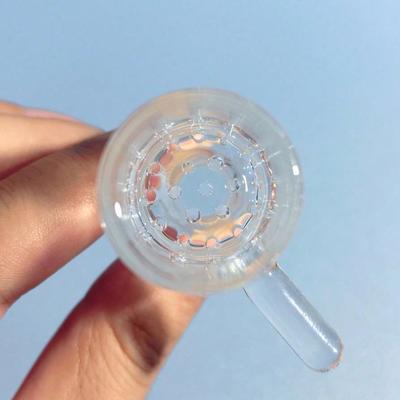
Retailers Go Honeycomb Glass Bowl, Transparent, Handmade, Unique Craftsmanship, Perfect For Your Smoking Collection Honeycomb Glass Bowl, Transparent, Handmade, Unique Craftsmanship, Perfect For Your Smoking CollectionIntroducing the 14mm(0.5512 inches)approx Transparent Handmade Glass Bowl, a beautifully crafted piece that combines stunning aesthetics with unmatched functionality. Perfect for any smoking enthusiast, this unique honeycomb glass bowl is designed...66,97 $*Shipping: 0,00 $Secure redirect to the provider
-
Lincove Reversible Quilt - Meticulous Craftsmanship, Diamond-Shaped QuiltingIndulge in the refined charm of our Mustard/Grey quilt, expertly stitched with diamond-shaped quilting. Elevate your bed with this stylish and comfortable layer, blending sophistication with cozy textures for a serene and elegant sleep haven.238,99 $*Shipping: 0,00 $Secure redirect to the provider
-
Sagebrook Home Hennie Black & White Glass Vase CraftsmanshipElevate your space with the essence of elegance through Sagebrook Home's exquisite glass vase. Expertly crafted from the finest materials, this delicate piece is a testament to timeless beauty, poised to enhance any bouquet.75,99 $*Shipping: 0,00 $Secure redirect to the provider



-
What is equilibrium density gradient centrifugation?
Equilibrium density gradient centrifugation is a technique used to separate particles or molecules based on their density. In this method, a sample is layered on top of a density gradient medium, such as sucrose or cesium chloride, and then centrifuged at high speeds. As the centrifuge spins, the particles in the sample move through the density gradient until they reach a point where their density matches that of the surrounding medium, resulting in a banding pattern. This allows for the separation and purification of different components based on their density. **
-
What is a simple experiment about centrifugation?
A simple experiment about centrifugation can involve separating a mixture of water and sand. First, mix the water and sand in a test tube. Then, place the test tube in a centrifuge and spin it at a high speed. The centrifugal force will cause the sand particles to settle at the bottom of the test tube, while the water will remain on top. This demonstrates how centrifugation can be used to separate substances of different densities. **
-
How does the separation process of centrifugation work?
Centrifugation works by using centrifugal force to separate substances of different densities in a mixture. When the mixture is spun at high speeds in a centrifuge, the denser components move towards the bottom of the centrifuge tube, while the lighter components move towards the top. This allows for the separation of the different components based on their density. After the spinning is complete, the separated components can be easily collected from their respective positions in the tube. **
-
What is a simple experiment on the topic of centrifugation?
A simple experiment on centrifugation can be done using a mixture of water and sand in a test tube. By spinning the test tube in a centrifuge, the heavier sand particles will settle at the bottom due to centrifugal force, while the lighter water will remain on top. This demonstrates how centrifugation can be used to separate mixtures based on their density. Students can then observe and analyze the separated components to understand the principle of centrifugation. **


Can liquid metals be separated from each other by centrifugation?
Yes, liquid metals can be separated from each other by centrifugation. Centrifugation works by applying centrifugal force to a mixture, causing the components to separate based on their density. Since different metals have different densities, they can be separated from each other using centrifugation. This process is commonly used in metallurgy and metal refining to separate different metals from each other. **
Can someone tell me the steps of cell fractionation by density gradient centrifugation with explanation?
Cell fractionation by density gradient centrifugation involves several steps: 1. Homogenization: The first step is to break open the cells and release their contents. This is typically done using a homogenizer or sonicator to disrupt the cell membranes. 2. Centrifugation: The homogenized cell suspension is then centrifuged at a low speed to remove large debris and unbroken cells. This step separates the homogenate into different fractions based on size and density. 3. Density gradient formation: A density gradient solution, such as sucrose or cesium chloride, is prepared and layered in a centrifuge tube. The gradient is formed by layering solutions of increasing density from the bottom to the top of the tube. 4. Centrifugation: The cell homogenate is then layered on top of the density gradient and centrifuged at high speeds. During centrifugation, the different cellular components separate based on their density and form distinct bands within the gradient. **
Top-Angebote
Products related to Centrifugation:
-
Pokemon Pokémon Gallery Pins: Chikorita Standing Edition – A Masterpiece of Artisan CraftsmanshipRefine Your Collection: The Subtle Elegance of Johto’s Grass-Type Icon The Pokémon Gallery Pins: Chikorita Standing Edition is a sophisticated tribute to one of the most beloved starters in the Pokémon canon. This is not merely a piece of merchandise; it is an expertly crafted accessory designed to bridge the gap between childhood nostalgia and high-end contemporary style. By transforming the gentle spirit of the Johto region into a tactile, gallery-quality ornament, this pin allows you to showcase your passion with professional poise. Whether pinned to a tailored lapel or a premium display board, Chikorita serves as a symbol of growth and enduring charm for the modern connoisseur. Key Features & Benefits Enduring Visual Brilliance with Hard Enamel: Utilising a premium hard-enamel finish, the pin offers a smooth, glass-like surface that resists scratches and fading. This ensures your Chikorita remains vibrant and clear for a lifetime, maintaining its "out-of-the-box" luster even with daily wear. Artisanal Polished Metalwork: The precision-engineered metal outlines provide a sharp, clean contrast that catches the light beautifully. This high-end finish elevates the pin from a simple toy to a piece of jewellery, adding a touch of sophisticated luxury to your professional attire or collection. Secured with Dual-Point Fasteners: Equipped with two secure butterfly clutches on the reverse, the pin is designed to stay perfectly upright and stable. This prevents the pin from rotating or falling off during movement, giving you total confidence while wearing it on bags, hats, or coats. Iconic "Gallery Series" Design Language: As part of the exclusive Gallery Pin series, this standing Chikorita is rendered with anatomical accuracy and vibrant, screen-true colours. This professional customisation ensures it fits seamlessly into a curated high-value collection, appealing to those who demand the highest standard of authenticity. Compact Professional Aesthetic: The refined sizing is perfectly balanced for versatility, making it a subtle yet powerful conversation starter. You can express your individuality in professional environments without compromising a clean, minimalist look. Why Choose This Product The Pokémon Gallery Pins: Chikorita Standing Edition (EAN 196215192989) represents the pinnacle of officially licensed Pokémon Center accessories. Choosing this pin is an investment in quality that transcends the typical mass-market offerings. In a professional landscape where personal branding and unique accents matter, this Chikorita pin serves as an authoritative nod to your journey as a trainer. It offers the emotional satisfaction of owning a piece of the Johto legacy while meeting the aesthetic requirements of an adult wardrobe. For the serious collector, it is a mandatory addition that brings a sense of serene, high-end artistry to your personal vault. Specifications Table Feature Details Model Pokémon Gallery Pins: Chikorita Standing EAN...9,99 £*Shipping: 0,00 £Secure redirect to the provider
-
Pokemon Pokémon Gallery Pins: Totodile Standing Edition – A Masterpiece of Artisan CraftsmanshipInject Dynamic Energy into Your Collection: The Definitive Tribute to Johto’s Water-Type Icon The Pokémon Gallery Pins: Totodile Standing Edition is a sophisticated reimagining of one of the most spirited starters in Pokémon history. This is not merely a piece of merchandise; it is an expertly crafted accessory designed to bridge the gap between childhood nostalgia and high-end contemporary style. By transforming the playful, high-energy essence of the Johto region into a tactile, gallery-quality ornament, this pin allows you to showcase your passion with professional poise. Whether pinned to a tailored blazer or a premium display board, Totodile serves as a bold symbol of power and charisma for the modern connoisseur. Key Features & Benefits Pristine Visual Depth with Hard Enamel: Utilising a premium hard-enamel finish, the pin offers a smooth, glass-like surface that resists scratches and fading. This ensures your Totodile remains as vibrant and impactful as the day you acquired it, providing a professional look that lasts a lifetime. Jewellery-Grade Zinc Alloy Construction: The precision-engineered metal outlines provide a sharp, clean contrast that catches the light with high-end brilliance. This heavy-duty build elevates the pin from a simple accessory to a piece of fine craftsmanship, adding tangible value to your curated collection. Total Attachment Security with Dual Butterfly Clutches: Equipped with two secure fastening points on the reverse, the pin is designed to stay perfectly upright and stable. This eliminates the risk of rotation or accidental loss during a busy commute or event, providing absolute peace of mind while worn on bags, lapels, or hats. Authentic Gallery Collection Detail: As an official part of the "Gallery Pins" series, this standing Totodile is rendered with surgical anatomical accuracy and screen-true colours. This professional customisation ensures it fits seamlessly into a high-value display, appealing to those who demand the highest standards of authenticity. Minimalist Professional Versatility: The refined sizing is perfectly balanced to provide a pop of personality without overwhelming your overall aesthetic. You can express your individuality in professional or creative environments while maintaining a clean, sophisticated profile. Why Choose This Product The Pokémon Gallery Pins: Totodile Standing Edition (EAN 196215192996) represents the pinnacle of officially licensed Pokémon Center accessories. Choosing this pin is an investment in quality that transcends typical mass-market offerings. In a professional landscape where personal branding and unique accents serve as conversation starters, this Totodile pin acts as an authoritative nod to your journey as a trainer. It offers the emotional satisfaction of owning a piece of the Johto legacy while meeting the aesthetic requirements of an adult wardrobe. For the serious collector, it is a mandatory acquisition that brings a sense of dynamic, high-end...9,99 £*Shipping: 0,00 £Secure redirect to the provider
-
Retailers Go Honeycomb Glass Bowl, Transparent, Handmade, Unique Craftsmanship, Perfect For Your Smoking Collection Honeycomb Glass Bowl, Transparent, Handmade, Unique Craftsmanship, Perfect For Your Smoking CollectionIntroducing the 14mm(0.5512 inches)approx Transparent Handmade Glass Bowl, a beautifully crafted piece that combines stunning aesthetics with unmatched functionality. Perfect for any smoking enthusiast, this unique honeycomb glass bowl is designed...66,97 $*Shipping: 0,00 $Secure redirect to the provider
-
Lincove Reversible Quilt - Meticulous Craftsmanship, Diamond-Shaped QuiltingIndulge in the refined charm of our Mustard/Grey quilt, expertly stitched with diamond-shaped quilting. Elevate your bed with this stylish and comfortable layer, blending sophistication with cozy textures for a serene and elegant sleep haven.238,99 $*Shipping: 0,00 $Secure redirect to the provider
-
What is the difference between differential centrifugation and density gradient centrifugation?
Differential centrifugation separates particles based on their size and density by subjecting a sample to multiple rounds of centrifugation at increasing speeds. This method results in the formation of a pellet containing the heaviest particles at each step. Density gradient centrifugation, on the other hand, separates particles based on their buoyant density by layering a sample on top of a density gradient medium and subjecting it to centrifugation. This method results in the formation of distinct bands or layers of particles based on their buoyant density within the gradient medium. Overall, differential centrifugation separates particles based on their size and density, while density gradient centrifugation separates particles based on their buoyant density within a gradient medium. **
-
How does differential centrifugation work?
Differential centrifugation is a method used to separate different components of a cell or tissue sample based on their size, shape, and density. The sample is first homogenized to break open the cells and release their contents. The homogenate is then subjected to a series of centrifugation steps at increasing speeds, which causes the larger and denser components to sediment out first, followed by the smaller and lighter components. This process results in the separation of organelles and other cellular components into different fractions, which can then be further analyzed or used for various experiments. **
-
What is equilibrium density gradient centrifugation?
Equilibrium density gradient centrifugation is a technique used to separate particles or molecules based on their density. In this method, a sample is layered on top of a density gradient medium, such as sucrose or cesium chloride, and then centrifuged at high speeds. As the centrifuge spins, the particles in the sample move through the density gradient until they reach a point where their density matches that of the surrounding medium, resulting in a banding pattern. This allows for the separation and purification of different components based on their density. **
-
What is a simple experiment about centrifugation?
A simple experiment about centrifugation can involve separating a mixture of water and sand. First, mix the water and sand in a test tube. Then, place the test tube in a centrifuge and spin it at a high speed. The centrifugal force will cause the sand particles to settle at the bottom of the test tube, while the water will remain on top. This demonstrates how centrifugation can be used to separate substances of different densities. **
Similar search terms for Centrifugation
-
Sagebrook Home Hennie Black & White Glass Vase CraftsmanshipElevate your space with the essence of elegance through Sagebrook Home's exquisite glass vase. Expertly crafted from the finest materials, this delicate piece is a testament to timeless beauty, poised to enhance any bouquet.75,99 $*Shipping: 0,00 $Secure redirect to the provider
-
How does the separation process of centrifugation work?
Centrifugation works by using centrifugal force to separate substances of different densities in a mixture. When the mixture is spun at high speeds in a centrifuge, the denser components move towards the bottom of the centrifuge tube, while the lighter components move towards the top. This allows for the separation of the different components based on their density. After the spinning is complete, the separated components can be easily collected from their respective positions in the tube. **
-
What is a simple experiment on the topic of centrifugation?
A simple experiment on centrifugation can be done using a mixture of water and sand in a test tube. By spinning the test tube in a centrifuge, the heavier sand particles will settle at the bottom due to centrifugal force, while the lighter water will remain on top. This demonstrates how centrifugation can be used to separate mixtures based on their density. Students can then observe and analyze the separated components to understand the principle of centrifugation. **
-
Can liquid metals be separated from each other by centrifugation?
Yes, liquid metals can be separated from each other by centrifugation. Centrifugation works by applying centrifugal force to a mixture, causing the components to separate based on their density. Since different metals have different densities, they can be separated from each other using centrifugation. This process is commonly used in metallurgy and metal refining to separate different metals from each other. **
-
Can someone tell me the steps of cell fractionation by density gradient centrifugation with explanation?
Cell fractionation by density gradient centrifugation involves several steps: 1. Homogenization: The first step is to break open the cells and release their contents. This is typically done using a homogenizer or sonicator to disrupt the cell membranes. 2. Centrifugation: The homogenized cell suspension is then centrifuged at a low speed to remove large debris and unbroken cells. This step separates the homogenate into different fractions based on size and density. 3. Density gradient formation: A density gradient solution, such as sucrose or cesium chloride, is prepared and layered in a centrifuge tube. The gradient is formed by layering solutions of increasing density from the bottom to the top of the tube. 4. Centrifugation: The cell homogenate is then layered on top of the density gradient and centrifuged at high speeds. During centrifugation, the different cellular components separate based on their density and form distinct bands within the gradient. **
* All prices are inclusive of VAT and, if applicable, plus shipping costs. The offer information is based on the details provided by the respective shop and is updated through automated processes. Real-time updates do not occur, so deviations can occur in individual cases. ** Note: Parts of this content were created by AI.