Buy blacksmithrecords.eu ?
We are moving the project
blacksmithrecords.eu .
Are you interested in purchasing the domain
blacksmithrecords.eu ?
domain@kv-gmbh.de · 0541-91531010
Buy blacksmithrecords.eu ?
What are the peculiarities of serfdom?
Serfdom was a system of labor in which individuals were bound to the land they worked on and were under the control of a lord. Serfs were not slaves, as they had some rights and could not be bought or sold, but they were still subject to the authority of their lord. They were required to provide labor, goods, and services to the lord in exchange for protection and the use of land. Serfdom was a common feature of feudal societies in medieval Europe and persisted in some regions until the 19th century. **
Will serfdom be reintroduced in the future?
It is highly unlikely that serfdom will be reintroduced in the future. Serfdom was a system of forced labor and servitude that was abolished in most parts of the world during the 19th century. The modern world operates under principles of human rights, freedom, and equality, making the reintroduction of serfdom incompatible with contemporary values and legal frameworks. Additionally, the global economy and labor market have evolved to rely on different forms of employment and compensation, further diminishing the possibility of a return to serfdom. **


Similar search terms for Serfdom
Top-Angebote
Products related to Serfdom:
-
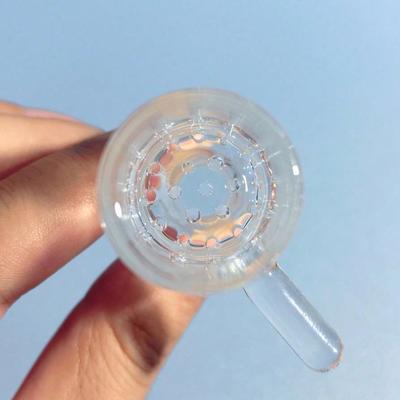
Retailers Go Honeycomb Glass Bowl, Transparent, Handmade, Unique Craftsmanship, Perfect For Your Smoking Collection Honeycomb Glass Bowl, Transparent, Handmade, Unique Craftsmanship, Perfect For Your Smoking CollectionIntroducing the 14mm(0.5512 inches)approx Transparent Handmade Glass Bowl, a beautifully crafted piece that combines stunning aesthetics with unmatched functionality. Perfect for any smoking enthusiast, this unique honeycomb glass bowl is designed...66,97 $*Shipping: 0,00 $Secure redirect to the provider
-
Sagebrook Home Hennie Black & White Glass Vase CraftsmanshipElevate your space with the essence of elegance through Sagebrook Home's exquisite glass vase. Expertly crafted from the finest materials, this delicate piece is a testament to timeless beauty, poised to enhance any bouquet.79,99 $*Shipping: 0,00 $Secure redirect to the provider



-
What is the difference between serfdom and manorialism?
Serfdom and manorialism are related systems that were prevalent in medieval Europe. Manorialism refers to the economic system where peasants worked on a lord's estate in exchange for protection and the use of land. Serfdom, on the other hand, refers to the legal and social status of the peasants who were bound to the land they worked on and were considered the property of the lord. In essence, manorialism is the economic system, while serfdom is the social and legal status of the peasants within that system. **
-
What is the difference between lordship and serfdom?
Lordship refers to the status of a noble or landowner who has control and authority over a piece of land and the people living on it. Serfdom, on the other hand, refers to the status of a peasant or laborer who is bound to the land they work on and must provide labor and goods to the lord in exchange for protection and the right to live on the land. In essence, lordship represents the ruling class with power and authority, while serfdom represents the laboring class with limited rights and freedoms. **
-
What is the difference between manorialism and serfdom?
Manorialism refers to the economic system in medieval Europe where land was divided into manors controlled by a lord, who provided protection and resources in exchange for labor and goods from the peasants. Serfdom, on the other hand, was the legal and social status of the peasants who worked the land on the manor. Serfs were bound to the land and could not leave without the lord's permission, whereas manorialism refers to the overall system of land ownership and labor relationships. In essence, manorialism was the economic system, while serfdom was the social status of the laborers within that system. **
-
What is the difference between serfdom and bondage?
Serfdom and bondage are both forms of unfree labor, but they have different historical and cultural contexts. Serfdom was a system of labor in medieval Europe where peasants were bound to the land and required to work for the lord in exchange for protection and the use of land. Bondage, on the other hand, refers to the condition of being enslaved or held as property, often as a result of being captured in war, being born into slavery, or being sold into slavery. While both serfdom and bondage involve the lack of freedom and autonomy, serfdom was tied to the feudal system in Europe, while bondage has been a more widespread and enduring form of unfree labor throughout history. **


Can there be forced labor and serfdom in a democratic state? Justification?
Forced labor and serfdom are generally considered incompatible with the principles of democracy, which prioritize individual freedoms and rights. In a democratic state, citizens are expected to have the right to choose their occupation and work conditions freely. Any form of forced labor or serfdom would violate these fundamental principles and would likely face legal challenges and public outcry. Additionally, international human rights standards and conventions prohibit forced labor and slavery, further reinforcing the incompatibility of these practices with a democratic society. **
What were the serfdom conditions in the Ottobeuren Monastery State in the year 1548?
In 1548, the Ottobeuren Monastery State was a feudal society where serfdom conditions were prevalent. Serfs were bound to the land they worked on and were required to provide labor and goods to the monastery in exchange for protection and a place to live. Serfs had limited rights and freedoms, and their lives were heavily controlled by the monastery. They were subject to the authority of the monastery's rulers and had little opportunity for social mobility. **
Top-Angebote
Products related to Serfdom:
-
Pokemon Pokémon Gallery Pins: Chikorita Standing Edition – A Masterpiece of Artisan CraftsmanshipRefine Your Collection: The Subtle Elegance of Johto’s Grass-Type Icon The Pokémon Gallery Pins: Chikorita Standing Edition is a sophisticated tribute to one of the most beloved starters in the Pokémon canon. This is not merely a piece of merchandise; it is an expertly crafted accessory designed to bridge the gap between childhood nostalgia and high-end contemporary style. By transforming the gentle spirit of the Johto region into a tactile, gallery-quality ornament, this pin allows you to showcase your passion with professional poise. Whether pinned to a tailored lapel or a premium display board, Chikorita serves as a symbol of growth and enduring charm for the modern connoisseur. Key Features & Benefits Enduring Visual Brilliance with Hard Enamel: Utilising a premium hard-enamel finish, the pin offers a smooth, glass-like surface that resists scratches and fading. This ensures your Chikorita remains vibrant and clear for a lifetime, maintaining its "out-of-the-box" luster even with daily wear. Artisanal Polished Metalwork: The precision-engineered metal outlines provide a sharp, clean contrast that catches the light beautifully. This high-end finish elevates the pin from a simple toy to a piece of jewellery, adding a touch of sophisticated luxury to your professional attire or collection. Secured with Dual-Point Fasteners: Equipped with two secure butterfly clutches on the reverse, the pin is designed to stay perfectly upright and stable. This prevents the pin from rotating or falling off during movement, giving you total confidence while wearing it on bags, hats, or coats. Iconic "Gallery Series" Design Language: As part of the exclusive Gallery Pin series, this standing Chikorita is rendered with anatomical accuracy and vibrant, screen-true colours. This professional customisation ensures it fits seamlessly into a curated high-value collection, appealing to those who demand the highest standard of authenticity. Compact Professional Aesthetic: The refined sizing is perfectly balanced for versatility, making it a subtle yet powerful conversation starter. You can express your individuality in professional environments without compromising a clean, minimalist look. Why Choose This Product The Pokémon Gallery Pins: Chikorita Standing Edition (EAN 196215192989) represents the pinnacle of officially licensed Pokémon Center accessories. Choosing this pin is an investment in quality that transcends the typical mass-market offerings. In a professional landscape where personal branding and unique accents matter, this Chikorita pin serves as an authoritative nod to your journey as a trainer. It offers the emotional satisfaction of owning a piece of the Johto legacy while meeting the aesthetic requirements of an adult wardrobe. For the serious collector, it is a mandatory addition that brings a sense of serene, high-end artistry to your personal vault. Specifications Table Feature Details Model Pokémon Gallery Pins: Chikorita Standing EAN...9,99 £*Shipping: 0,00 £Secure redirect to the provider
-
Pokemon Pokémon Gallery Pins: Totodile Standing Edition – A Masterpiece of Artisan CraftsmanshipInject Dynamic Energy into Your Collection: The Definitive Tribute to Johto’s Water-Type Icon The Pokémon Gallery Pins: Totodile Standing Edition is a sophisticated reimagining of one of the most spirited starters in Pokémon history. This is not merely a piece of merchandise; it is an expertly crafted accessory designed to bridge the gap between childhood nostalgia and high-end contemporary style. By transforming the playful, high-energy essence of the Johto region into a tactile, gallery-quality ornament, this pin allows you to showcase your passion with professional poise. Whether pinned to a tailored blazer or a premium display board, Totodile serves as a bold symbol of power and charisma for the modern connoisseur. Key Features & Benefits Pristine Visual Depth with Hard Enamel: Utilising a premium hard-enamel finish, the pin offers a smooth, glass-like surface that resists scratches and fading. This ensures your Totodile remains as vibrant and impactful as the day you acquired it, providing a professional look that lasts a lifetime. Jewellery-Grade Zinc Alloy Construction: The precision-engineered metal outlines provide a sharp, clean contrast that catches the light with high-end brilliance. This heavy-duty build elevates the pin from a simple accessory to a piece of fine craftsmanship, adding tangible value to your curated collection. Total Attachment Security with Dual Butterfly Clutches: Equipped with two secure fastening points on the reverse, the pin is designed to stay perfectly upright and stable. This eliminates the risk of rotation or accidental loss during a busy commute or event, providing absolute peace of mind while worn on bags, lapels, or hats. Authentic Gallery Collection Detail: As an official part of the "Gallery Pins" series, this standing Totodile is rendered with surgical anatomical accuracy and screen-true colours. This professional customisation ensures it fits seamlessly into a high-value display, appealing to those who demand the highest standards of authenticity. Minimalist Professional Versatility: The refined sizing is perfectly balanced to provide a pop of personality without overwhelming your overall aesthetic. You can express your individuality in professional or creative environments while maintaining a clean, sophisticated profile. Why Choose This Product The Pokémon Gallery Pins: Totodile Standing Edition (EAN 196215192996) represents the pinnacle of officially licensed Pokémon Center accessories. Choosing this pin is an investment in quality that transcends typical mass-market offerings. In a professional landscape where personal branding and unique accents serve as conversation starters, this Totodile pin acts as an authoritative nod to your journey as a trainer. It offers the emotional satisfaction of owning a piece of the Johto legacy while meeting the aesthetic requirements of an adult wardrobe. For the serious collector, it is a mandatory acquisition that brings a sense of dynamic, high-end...9,99 £*Shipping: 0,00 £Secure redirect to the provider
-
Retailers Go Honeycomb Glass Bowl, Transparent, Handmade, Unique Craftsmanship, Perfect For Your Smoking Collection Honeycomb Glass Bowl, Transparent, Handmade, Unique Craftsmanship, Perfect For Your Smoking CollectionIntroducing the 14mm(0.5512 inches)approx Transparent Handmade Glass Bowl, a beautifully crafted piece that combines stunning aesthetics with unmatched functionality. Perfect for any smoking enthusiast, this unique honeycomb glass bowl is designed...66,97 $*Shipping: 0,00 $Secure redirect to the provider
-
Sagebrook Home Hennie Black & White Glass Vase CraftsmanshipElevate your space with the essence of elegance through Sagebrook Home's exquisite glass vase. Expertly crafted from the finest materials, this delicate piece is a testament to timeless beauty, poised to enhance any bouquet.79,99 $*Shipping: 0,00 $Secure redirect to the provider
-
What are the peculiarities of serfdom?
Serfdom was a system of labor in which individuals were bound to the land they worked on and were under the control of a lord. Serfs were not slaves, as they had some rights and could not be bought or sold, but they were still subject to the authority of their lord. They were required to provide labor, goods, and services to the lord in exchange for protection and the use of land. Serfdom was a common feature of feudal societies in medieval Europe and persisted in some regions until the 19th century. **
-
Will serfdom be reintroduced in the future?
It is highly unlikely that serfdom will be reintroduced in the future. Serfdom was a system of forced labor and servitude that was abolished in most parts of the world during the 19th century. The modern world operates under principles of human rights, freedom, and equality, making the reintroduction of serfdom incompatible with contemporary values and legal frameworks. Additionally, the global economy and labor market have evolved to rely on different forms of employment and compensation, further diminishing the possibility of a return to serfdom. **
-
What is the difference between serfdom and manorialism?
Serfdom and manorialism are related systems that were prevalent in medieval Europe. Manorialism refers to the economic system where peasants worked on a lord's estate in exchange for protection and the use of land. Serfdom, on the other hand, refers to the legal and social status of the peasants who were bound to the land they worked on and were considered the property of the lord. In essence, manorialism is the economic system, while serfdom is the social and legal status of the peasants within that system. **
-
What is the difference between lordship and serfdom?
Lordship refers to the status of a noble or landowner who has control and authority over a piece of land and the people living on it. Serfdom, on the other hand, refers to the status of a peasant or laborer who is bound to the land they work on and must provide labor and goods to the lord in exchange for protection and the right to live on the land. In essence, lordship represents the ruling class with power and authority, while serfdom represents the laboring class with limited rights and freedoms. **
Similar search terms for Serfdom
-
What is the difference between manorialism and serfdom?
Manorialism refers to the economic system in medieval Europe where land was divided into manors controlled by a lord, who provided protection and resources in exchange for labor and goods from the peasants. Serfdom, on the other hand, was the legal and social status of the peasants who worked the land on the manor. Serfs were bound to the land and could not leave without the lord's permission, whereas manorialism refers to the overall system of land ownership and labor relationships. In essence, manorialism was the economic system, while serfdom was the social status of the laborers within that system. **
-
What is the difference between serfdom and bondage?
Serfdom and bondage are both forms of unfree labor, but they have different historical and cultural contexts. Serfdom was a system of labor in medieval Europe where peasants were bound to the land and required to work for the lord in exchange for protection and the use of land. Bondage, on the other hand, refers to the condition of being enslaved or held as property, often as a result of being captured in war, being born into slavery, or being sold into slavery. While both serfdom and bondage involve the lack of freedom and autonomy, serfdom was tied to the feudal system in Europe, while bondage has been a more widespread and enduring form of unfree labor throughout history. **
-
Can there be forced labor and serfdom in a democratic state? Justification?
Forced labor and serfdom are generally considered incompatible with the principles of democracy, which prioritize individual freedoms and rights. In a democratic state, citizens are expected to have the right to choose their occupation and work conditions freely. Any form of forced labor or serfdom would violate these fundamental principles and would likely face legal challenges and public outcry. Additionally, international human rights standards and conventions prohibit forced labor and slavery, further reinforcing the incompatibility of these practices with a democratic society. **
-
What were the serfdom conditions in the Ottobeuren Monastery State in the year 1548?
In 1548, the Ottobeuren Monastery State was a feudal society where serfdom conditions were prevalent. Serfs were bound to the land they worked on and were required to provide labor and goods to the monastery in exchange for protection and a place to live. Serfs had limited rights and freedoms, and their lives were heavily controlled by the monastery. They were subject to the authority of the monastery's rulers and had little opportunity for social mobility. **
* All prices are inclusive of VAT and, if applicable, plus shipping costs. The offer information is based on the details provided by the respective shop and is updated through automated processes. Real-time updates do not occur, so deviations can occur in individual cases. ** Note: Parts of this content were created by AI.