Buy blacksmithrecords.eu ?
We are moving the project
blacksmithrecords.eu .
Are you interested in purchasing the domain
blacksmithrecords.eu ?
domain@kv-gmbh.de · 0541-91531010
Buy blacksmithrecords.eu ?
Is ammonia polyprotic or monoprotic?
Ammonia is a monoprotic base, meaning it can donate only one proton (H+) in a chemical reaction. This is because ammonia has only one nitrogen atom that can accept a proton to form the ammonium ion (NH4+). Therefore, ammonia is considered monoprotic. **
What are monoprotic and polyprotic acids?
Monoprotic acids are acids that can donate only one proton (hydrogen ion) per molecule when they dissociate in water. Examples include hydrochloric acid (HCl) and acetic acid (CH3COOH). Polyprotic acids, on the other hand, are acids that can donate more than one proton per molecule when they dissociate in water. Examples include sulfuric acid (H2SO4) and phosphoric acid (H3PO4). **


Similar search terms for Polyprotic
Top-Angebote
Products related to Polyprotic:
-
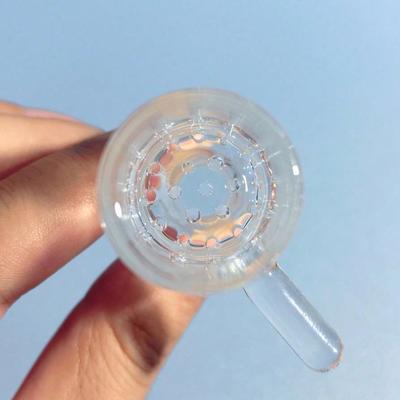
Retailers Go Honeycomb Glass Bowl, Transparent, Handmade, Unique Craftsmanship, Perfect For Your Smoking Collection Honeycomb Glass Bowl, Transparent, Handmade, Unique Craftsmanship, Perfect For Your Smoking CollectionIntroducing the 14mm(0.5512 inches)approx Transparent Handmade Glass Bowl, a beautifully crafted piece that combines stunning aesthetics with unmatched functionality. Perfect for any smoking enthusiast, this unique honeycomb glass bowl is designed...66,97 $*Shipping: 0,00 $Secure redirect to the provider
-
Sagebrook Home Hennie Black & White Glass Vase CraftsmanshipElevate your space with the essence of elegance through Sagebrook Home's exquisite glass vase. Expertly crafted from the finest materials, this delicate piece is a testament to timeless beauty, poised to enhance any bouquet.79,99 $*Shipping: 0,00 $Secure redirect to the provider
-
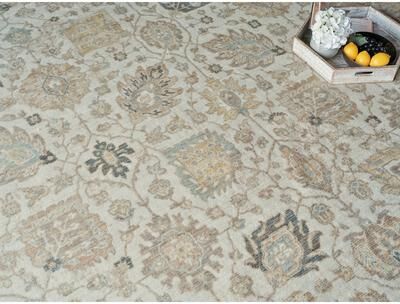
Exquisite Rugs Artisan Handmade Wool/Nylon in Ivory Area RugThis collection seamlessly blends traditional influences with contemporary design elements. Hand-finished with meticulous care, each rug features a low profile and a smooth, plush pile crafted from a premium wool blend.1599,00 $*Shipping: 0,00 $Secure redirect to the provider


-
How do I recognize a mono- or polyprotic acid?
A monoprotic acid is an acid that can donate only one proton (hydrogen ion) per molecule, such as hydrochloric acid (HCl) or acetic acid (CH3COOH). On the other hand, a polyprotic acid is an acid that can donate more than one proton per molecule, such as sulfuric acid (H2SO4) or phosphoric acid (H3PO4). One way to recognize a polyprotic acid is by looking at the chemical formula and identifying the presence of multiple hydrogen atoms that can potentially be donated as protons. Additionally, the acid's name may also provide a clue, as polyprotic acids often have prefixes such as di- or tri- to indicate the number of protons that can be donated. **
-
Why is the second dissociation stage weaker in polyprotic acids?
The second dissociation stage is weaker in polyprotic acids because after the first proton is removed, the remaining ion has a higher negative charge, making it more difficult to remove the second proton. This increased negative charge leads to stronger electrostatic attraction between the remaining ion and the proton, making it harder for the second proton to dissociate. Additionally, the second dissociation occurs at a lower pH, where the concentration of H+ ions is lower, further reducing the likelihood of the second dissociation. Overall, these factors contribute to the weaker second dissociation stage in polyprotic acids. **
-
How can I tell if an acid is monoprotic or polyprotic?
You can determine if an acid is monoprotic or polyprotic by looking at its chemical formula. If the formula contains only one hydrogen ion (H+), then the acid is monoprotic. However, if the formula contains more than one hydrogen ion, then the acid is polyprotic. Additionally, you can also look at the acid's chemical structure and its ability to donate multiple hydrogen ions to determine if it is polyprotic. **
-
Can someone explain the meaning of monoprotic and polyprotic to me?
Sure! Monoprotic and polyprotic refer to the number of protons that can be donated by an acid. Monoprotic acids can donate one proton, while polyprotic acids can donate more than one proton. For example, hydrochloric acid (HCl) is monoprotic because it can donate one proton, while sulfuric acid (H2SO4) is polyprotic because it can donate two protons. This distinction is important in understanding the behavior and properties of different acids in chemical reactions. **

How can the concentration of a polyprotic acid be determined by titration?
The concentration of a polyprotic acid can be determined by titration using a strong base. Since polyprotic acids can donate multiple protons, the titration curve will have multiple equivalence points, corresponding to the different dissociation steps of the acid. By monitoring the pH during the titration, the inflection points on the curve can be used to calculate the concentration of the acid. The volume of the base required to reach each equivalence point can also be used to determine the molar concentration of the acid. **
How do you calculate the concentration of a polyprotic acid through titration?
To calculate the concentration of a polyprotic acid through titration, you would first need to determine the equivalence point of the titration by using an indicator or a pH meter. Then, you would use the volume of titrant (such as a strong base) needed to reach the equivalence point and the known molarity of the titrant to calculate the moles of acid present. Since polyprotic acids can donate multiple protons, you would need to consider the number of moles of protons donated by the acid and the stoichiometry of the acid-base reaction to calculate the concentration of the polyprotic acid. **
Top-Angebote
Products related to Polyprotic:
-
Pokemon Pokémon Gallery Pins: Chikorita Standing Edition – A Masterpiece of Artisan CraftsmanshipRefine Your Collection: The Subtle Elegance of Johto’s Grass-Type Icon The Pokémon Gallery Pins: Chikorita Standing Edition is a sophisticated tribute to one of the most beloved starters in the Pokémon canon. This is not merely a piece of merchandise; it is an expertly crafted accessory designed to bridge the gap between childhood nostalgia and high-end contemporary style. By transforming the gentle spirit of the Johto region into a tactile, gallery-quality ornament, this pin allows you to showcase your passion with professional poise. Whether pinned to a tailored lapel or a premium display board, Chikorita serves as a symbol of growth and enduring charm for the modern connoisseur. Key Features & Benefits Enduring Visual Brilliance with Hard Enamel: Utilising a premium hard-enamel finish, the pin offers a smooth, glass-like surface that resists scratches and fading. This ensures your Chikorita remains vibrant and clear for a lifetime, maintaining its "out-of-the-box" luster even with daily wear. Artisanal Polished Metalwork: The precision-engineered metal outlines provide a sharp, clean contrast that catches the light beautifully. This high-end finish elevates the pin from a simple toy to a piece of jewellery, adding a touch of sophisticated luxury to your professional attire or collection. Secured with Dual-Point Fasteners: Equipped with two secure butterfly clutches on the reverse, the pin is designed to stay perfectly upright and stable. This prevents the pin from rotating or falling off during movement, giving you total confidence while wearing it on bags, hats, or coats. Iconic "Gallery Series" Design Language: As part of the exclusive Gallery Pin series, this standing Chikorita is rendered with anatomical accuracy and vibrant, screen-true colours. This professional customisation ensures it fits seamlessly into a curated high-value collection, appealing to those who demand the highest standard of authenticity. Compact Professional Aesthetic: The refined sizing is perfectly balanced for versatility, making it a subtle yet powerful conversation starter. You can express your individuality in professional environments without compromising a clean, minimalist look. Why Choose This Product The Pokémon Gallery Pins: Chikorita Standing Edition (EAN 196215192989) represents the pinnacle of officially licensed Pokémon Center accessories. Choosing this pin is an investment in quality that transcends the typical mass-market offerings. In a professional landscape where personal branding and unique accents matter, this Chikorita pin serves as an authoritative nod to your journey as a trainer. It offers the emotional satisfaction of owning a piece of the Johto legacy while meeting the aesthetic requirements of an adult wardrobe. For the serious collector, it is a mandatory addition that brings a sense of serene, high-end artistry to your personal vault. Specifications Table Feature Details Model Pokémon Gallery Pins: Chikorita Standing EAN...9,99 £*Shipping: 0,00 £Secure redirect to the provider
-
Pokemon Pokémon Gallery Pins: Totodile Standing Edition – A Masterpiece of Artisan CraftsmanshipInject Dynamic Energy into Your Collection: The Definitive Tribute to Johto’s Water-Type Icon The Pokémon Gallery Pins: Totodile Standing Edition is a sophisticated reimagining of one of the most spirited starters in Pokémon history. This is not merely a piece of merchandise; it is an expertly crafted accessory designed to bridge the gap between childhood nostalgia and high-end contemporary style. By transforming the playful, high-energy essence of the Johto region into a tactile, gallery-quality ornament, this pin allows you to showcase your passion with professional poise. Whether pinned to a tailored blazer or a premium display board, Totodile serves as a bold symbol of power and charisma for the modern connoisseur. Key Features & Benefits Pristine Visual Depth with Hard Enamel: Utilising a premium hard-enamel finish, the pin offers a smooth, glass-like surface that resists scratches and fading. This ensures your Totodile remains as vibrant and impactful as the day you acquired it, providing a professional look that lasts a lifetime. Jewellery-Grade Zinc Alloy Construction: The precision-engineered metal outlines provide a sharp, clean contrast that catches the light with high-end brilliance. This heavy-duty build elevates the pin from a simple accessory to a piece of fine craftsmanship, adding tangible value to your curated collection. Total Attachment Security with Dual Butterfly Clutches: Equipped with two secure fastening points on the reverse, the pin is designed to stay perfectly upright and stable. This eliminates the risk of rotation or accidental loss during a busy commute or event, providing absolute peace of mind while worn on bags, lapels, or hats. Authentic Gallery Collection Detail: As an official part of the "Gallery Pins" series, this standing Totodile is rendered with surgical anatomical accuracy and screen-true colours. This professional customisation ensures it fits seamlessly into a high-value display, appealing to those who demand the highest standards of authenticity. Minimalist Professional Versatility: The refined sizing is perfectly balanced to provide a pop of personality without overwhelming your overall aesthetic. You can express your individuality in professional or creative environments while maintaining a clean, sophisticated profile. Why Choose This Product The Pokémon Gallery Pins: Totodile Standing Edition (EAN 196215192996) represents the pinnacle of officially licensed Pokémon Center accessories. Choosing this pin is an investment in quality that transcends typical mass-market offerings. In a professional landscape where personal branding and unique accents serve as conversation starters, this Totodile pin acts as an authoritative nod to your journey as a trainer. It offers the emotional satisfaction of owning a piece of the Johto legacy while meeting the aesthetic requirements of an adult wardrobe. For the serious collector, it is a mandatory acquisition that brings a sense of dynamic, high-end...9,99 £*Shipping: 0,00 £Secure redirect to the provider
-
Retailers Go Honeycomb Glass Bowl, Transparent, Handmade, Unique Craftsmanship, Perfect For Your Smoking Collection Honeycomb Glass Bowl, Transparent, Handmade, Unique Craftsmanship, Perfect For Your Smoking CollectionIntroducing the 14mm(0.5512 inches)approx Transparent Handmade Glass Bowl, a beautifully crafted piece that combines stunning aesthetics with unmatched functionality. Perfect for any smoking enthusiast, this unique honeycomb glass bowl is designed...66,97 $*Shipping: 0,00 $Secure redirect to the provider
-
Sagebrook Home Hennie Black & White Glass Vase CraftsmanshipElevate your space with the essence of elegance through Sagebrook Home's exquisite glass vase. Expertly crafted from the finest materials, this delicate piece is a testament to timeless beauty, poised to enhance any bouquet.79,99 $*Shipping: 0,00 $Secure redirect to the provider
-
Is ammonia polyprotic or monoprotic?
Ammonia is a monoprotic base, meaning it can donate only one proton (H+) in a chemical reaction. This is because ammonia has only one nitrogen atom that can accept a proton to form the ammonium ion (NH4+). Therefore, ammonia is considered monoprotic. **
-
What are monoprotic and polyprotic acids?
Monoprotic acids are acids that can donate only one proton (hydrogen ion) per molecule when they dissociate in water. Examples include hydrochloric acid (HCl) and acetic acid (CH3COOH). Polyprotic acids, on the other hand, are acids that can donate more than one proton per molecule when they dissociate in water. Examples include sulfuric acid (H2SO4) and phosphoric acid (H3PO4). **
-
How do I recognize a mono- or polyprotic acid?
A monoprotic acid is an acid that can donate only one proton (hydrogen ion) per molecule, such as hydrochloric acid (HCl) or acetic acid (CH3COOH). On the other hand, a polyprotic acid is an acid that can donate more than one proton per molecule, such as sulfuric acid (H2SO4) or phosphoric acid (H3PO4). One way to recognize a polyprotic acid is by looking at the chemical formula and identifying the presence of multiple hydrogen atoms that can potentially be donated as protons. Additionally, the acid's name may also provide a clue, as polyprotic acids often have prefixes such as di- or tri- to indicate the number of protons that can be donated. **
-
Why is the second dissociation stage weaker in polyprotic acids?
The second dissociation stage is weaker in polyprotic acids because after the first proton is removed, the remaining ion has a higher negative charge, making it more difficult to remove the second proton. This increased negative charge leads to stronger electrostatic attraction between the remaining ion and the proton, making it harder for the second proton to dissociate. Additionally, the second dissociation occurs at a lower pH, where the concentration of H+ ions is lower, further reducing the likelihood of the second dissociation. Overall, these factors contribute to the weaker second dissociation stage in polyprotic acids. **
Similar search terms for Polyprotic
-
Exquisite Rugs Artisan Handmade Wool/Nylon in Ivory Area RugThis collection seamlessly blends traditional influences with contemporary design elements. Hand-finished with meticulous care, each rug features a low profile and a smooth, plush pile crafted from a premium wool blend.1599,00 $*Shipping: 0,00 $Secure redirect to the provider
-
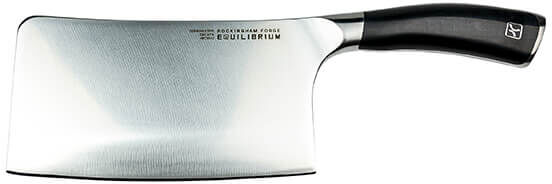
Rio Rockingham Forge 16cm Equilibrium CleaverThis Rockingham Forge 16cm Equilibrium Cleaver, boasts a long rectangular blade that is commonly used as a butcher's knife. Designed to cut through large, dense bones and joints, this cleaver can also be used on the wide side for crushing ingredients such as garlic. Equilibrium blades are made from high quality German chromium-molybdenum-vanadium steel, which is ice-hardened for lasting sharpness and rust resistance. The handles are made from black POM material in a curved design which provides a perfect and comfortable grip, weighted by the through-tang steel construction. The highlight of the Equilibrium range is the perfect balance of the knives which sit comfortably in the hand, encouraging a professional 'rocking' cutting action. Knives are not for sale to persons under the age of 18. - all knives and bladed products are delivered by Age Verified Delivery (AVD). The carrier may request proof of age in order to deliver your parcel. If proof of age is not available, or the recipient is underage, the carrier will refuse to deliver.29,06 £*Shipping: 3,50 £Secure redirect to the provider
-
Rio Rockingham Forge Fine Ceramic WhetstoneThis Rockingham Forge high quality fine ceramic whetstone has a 3000 grit and is suitable for sharpening stainless steel knives. This ceramic whetstone is long lasting and cleaner than traditional whetstones. Perfect for honing your knife edge and requires a lot less oil or water for lubrication whilst sharpening. The whetstone includes a non-slip removable silicone base to ensure safe and even sharpening.18,75 £*Shipping: 3,50 £Secure redirect to the provider
-
How can I tell if an acid is monoprotic or polyprotic?
You can determine if an acid is monoprotic or polyprotic by looking at its chemical formula. If the formula contains only one hydrogen ion (H+), then the acid is monoprotic. However, if the formula contains more than one hydrogen ion, then the acid is polyprotic. Additionally, you can also look at the acid's chemical structure and its ability to donate multiple hydrogen ions to determine if it is polyprotic. **
-
Can someone explain the meaning of monoprotic and polyprotic to me?
Sure! Monoprotic and polyprotic refer to the number of protons that can be donated by an acid. Monoprotic acids can donate one proton, while polyprotic acids can donate more than one proton. For example, hydrochloric acid (HCl) is monoprotic because it can donate one proton, while sulfuric acid (H2SO4) is polyprotic because it can donate two protons. This distinction is important in understanding the behavior and properties of different acids in chemical reactions. **
-
How can the concentration of a polyprotic acid be determined by titration?
The concentration of a polyprotic acid can be determined by titration using a strong base. Since polyprotic acids can donate multiple protons, the titration curve will have multiple equivalence points, corresponding to the different dissociation steps of the acid. By monitoring the pH during the titration, the inflection points on the curve can be used to calculate the concentration of the acid. The volume of the base required to reach each equivalence point can also be used to determine the molar concentration of the acid. **
-
How do you calculate the concentration of a polyprotic acid through titration?
To calculate the concentration of a polyprotic acid through titration, you would first need to determine the equivalence point of the titration by using an indicator or a pH meter. Then, you would use the volume of titrant (such as a strong base) needed to reach the equivalence point and the known molarity of the titrant to calculate the moles of acid present. Since polyprotic acids can donate multiple protons, you would need to consider the number of moles of protons donated by the acid and the stoichiometry of the acid-base reaction to calculate the concentration of the polyprotic acid. **
* All prices are inclusive of VAT and, if applicable, plus shipping costs. The offer information is based on the details provided by the respective shop and is updated through automated processes. Real-time updates do not occur, so deviations can occur in individual cases. ** Note: Parts of this content were created by AI.